E Pluribus Unum for the Parks
How the National Park Service united its disparate parts
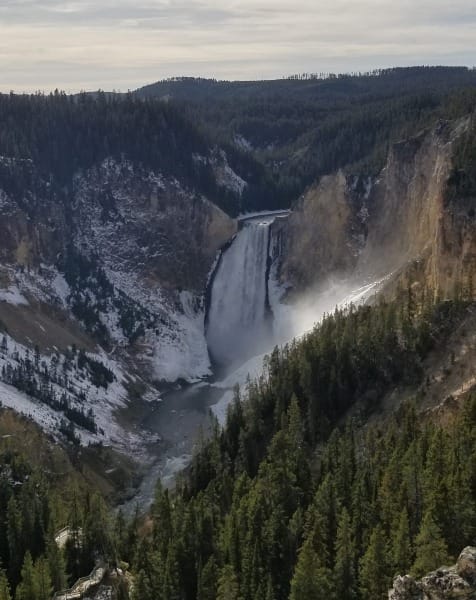
A slight change has come to Taking Bearings; I've turned off paid subscriptions. Rest assured, I'll continue to offer the same kind of writing on the same sort of schedule. But the paid subscription model, at least for now, no longer feels right.
Instead, I'll be working on what I'm thinking of as a dāna model. Dāna is a Sanskrit word meaning generosity or giving, and in the Buddhist tradition, it connotes giving without expecting anything in return. So I will write and share freely, and anyone who wishes to support my efforts can give as they are moved to. If you have a subscription, it will not renew when the current period ends.
I have appreciated all those who have subscribed and been faithful readers of Taking Bearings.
A Shrinking National Park System?
Changes are in store for national parks.
According to the National Parks Conservation Association, the National Park Service budget request for 2026 is so stark it could force about 350 units of the park system to close or shift to some other funding source.
The White House’s budget narrative notes that the NPS manages many sites that are not national parks “in the traditionally understood sense.” These other unspecified sites are more like state parks, according to the budget document. Citing an unspecified “urgent need,” the administration called for some unspecified number of park units to be transferred to the states.
All of this is depressing and thoughtlessly ideological, but it got me thinking about how the national park system became a system. It did not happen at once.
Expanding the National Park System
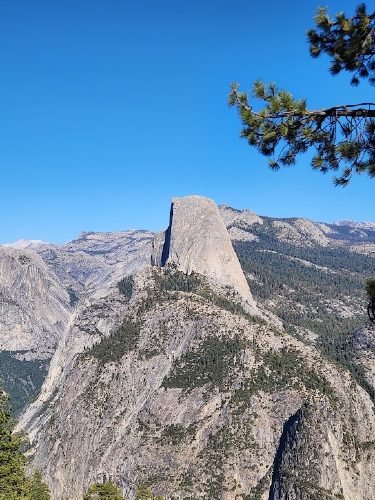
Congress created the first national parks in the 19th century but didn’t establish the National Park Service until 1916, a full 44 years after setting Yellowstone aside. For years, Congress kept steadily adding national parks to keep special scenic areas under public control rather than have them monopolized by private companies.
In 1933, President Franklin Roosevelt signed Executive Orders 6166 and 6228 that consolidated historic sites and transferred 57 historic sites and 17 national monuments to the National Park Service. These additions profoundly reshaped the agency, adding history to scenery as a key component for park management.
During that same era and increasing afterward, the NPS gained management authority over recreation areas, starting with the huge reservoir behind Hoover Dam. Also, by 1937, the first national seashore at Cape Hatteras was added to the national park system.
National recreation areas, seashores, lakeshores, parkways, and the like joined national parks, monuments, and historic sites.
To some, that seemed messy.
Dividing the Parks
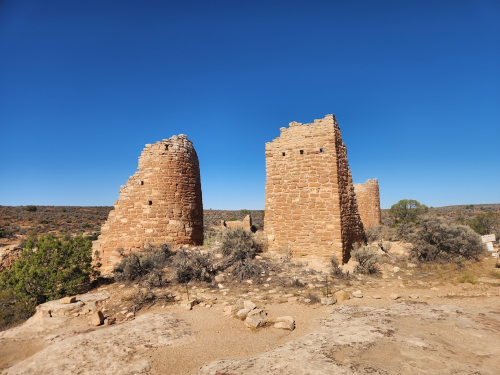
By the 1960s, NPS officials sorted these different types of sites into three categories: natural, historic, and recreational. Different types of parks required different management and administrative principles.
Secretary of the Interior Stewart Udall in 1964 affirmed this, writing that “a single, broad management concept encompassing these three categories of areas within the system is inadequate either for their proper preservation or for realization of their full potential for public use.”
And so it stood for a very short time before it attracted critics.
Uniting the Parks
Conservationists worried that such divisions would lead to neglect. The NPS might ignore that natural resources in historic and recreational parks and perhaps downplay the cultural resources in natural parks, critics thought.
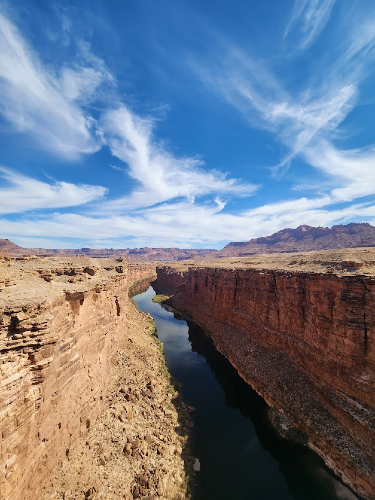
So Congress stepped in with the General Authorities Act in 1970.
The law acknowledged that the national park system had grown to include “superlative natural, historic, and recreation areas” throughout the nation. Yet, Congress determined that,
these areas, though distinct in character, are united through their inter-related purposes and resources into one national park system as cumulative expressions of a single national heritage.
Considered as a collective system, parks would “derive increased national dignity and recognition of their superb environmental quality.” This law effectively amended the Organic Act, saying the park units were not separate and were equal–and prioritized overall environmental quality.
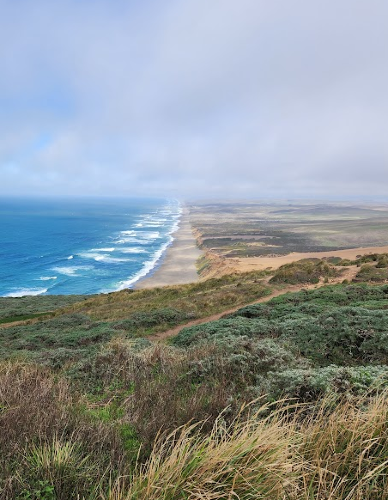
Eight years later, Congress affirmed the single, coherent system again in a short paragraph embedded in a law otherwise focused on expanding Redwood National Park. In between pages of explanations for how the National Park Service would expand the coastal California park, Congress added a short amendment to the General Authorities Act. All the parks would be managed “in light of the high public value and integrity of the National Park System” and none of the parks would be impaired or deemed inferior.
The statement prioritized resource protection in all parts of the system and beyond, because the public increasingly recognized that activities beyond park boundaries could harm park values.
Protecting the National Park System
Nothing about managing federal land has ever been easy. But the sprawling treasures that constitute the National Park system deserve support.
Today, the National Park Service is the caretaker of more than 85 million acres across 433 park units. Of those, 63 are “national parks.” Could it be that the language in the White House’s budget about “traditionally understood” national parks only refers to those 63? If so, are Americans ready to give away 139 national historical parks and sites, 87 national monuments, 31 national memorials, 25 battlefields and military parks, and 88 other designated sites?
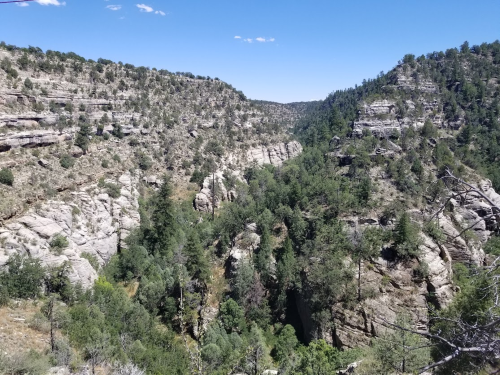
I’m not ready for South Carolina to seize Fort Sumter in the 21st century. I don’t think Idaho is likely to be a good steward for the stories told by the Nez Perce National Historical Park. I am unwilling to cede environmental protection to Arizona at Walnut Canyon National Monument.
In the context of today’s crisis and the starvation budget directed at the National Park Service, it is worth remembering that for two generations, the system has been a united system, not parceled out. It is not a collection of expendable parts but a unified heritage worth defending.

Comments ()