Pictures Worth a Thousand Words
When Thomas Moran and William Henry Jackson visualized Yellowstone
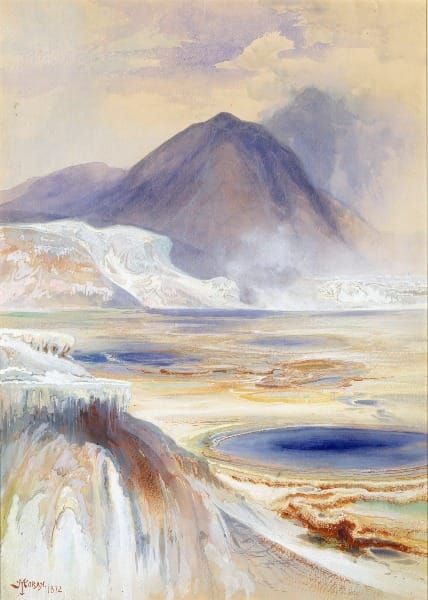
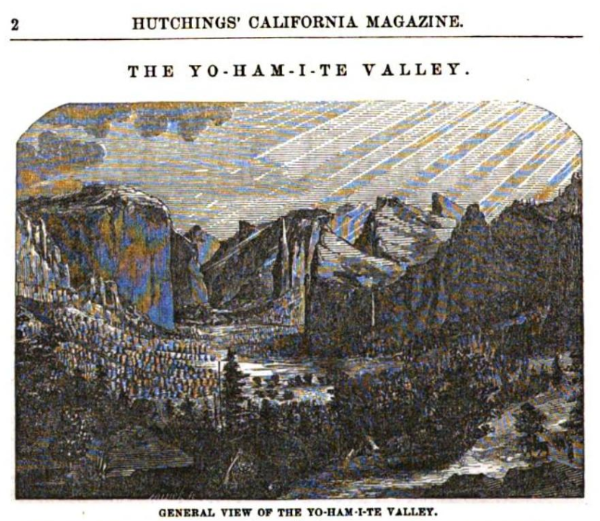
When Scribner’s Monthly prepared to publish Nathaniel Pitt Langford’s account of Yellowstone, editors wanted to illustrate it. The magazine turned to Thomas Moran, a painter and printmaker. Using descriptions from Langford, Moran made wood engravings to capture Yellowstone for the reading public and entice them.
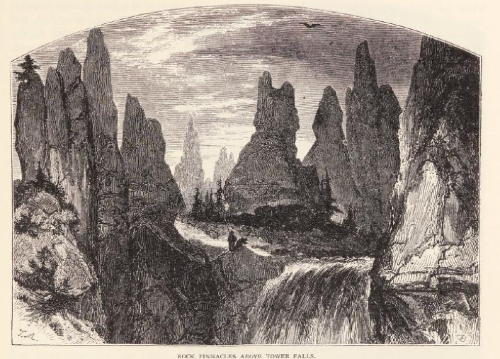
Although by all counts the images attracted attention and awe, they didn’t always represent reality. The writer Wallace Stegner said Moran’s representation of the Grand Canyon of the Yellowstone appeared to make the landscape feature “about four feet wide and four miles deep.”
Moran could be excused; he’d never seen the Yellowstone canyon. That changed at the exact moment Scribner’s Monthly published Langford’s illustrated account.
During summer 1871, Ferdinand Vandeveer Hayden led a federal survey to Yellowstone. Hayden had been itching to go for several years, and once before, he had started toward it when snow in the mountains forced a retreat. The head geologist of the U.S. Geological and Geographical Survey of the Territories, Hayden eventually left a legacy of scientific reports about many parts of the American West. But his time in Yellowstone may have been his most consequential work.
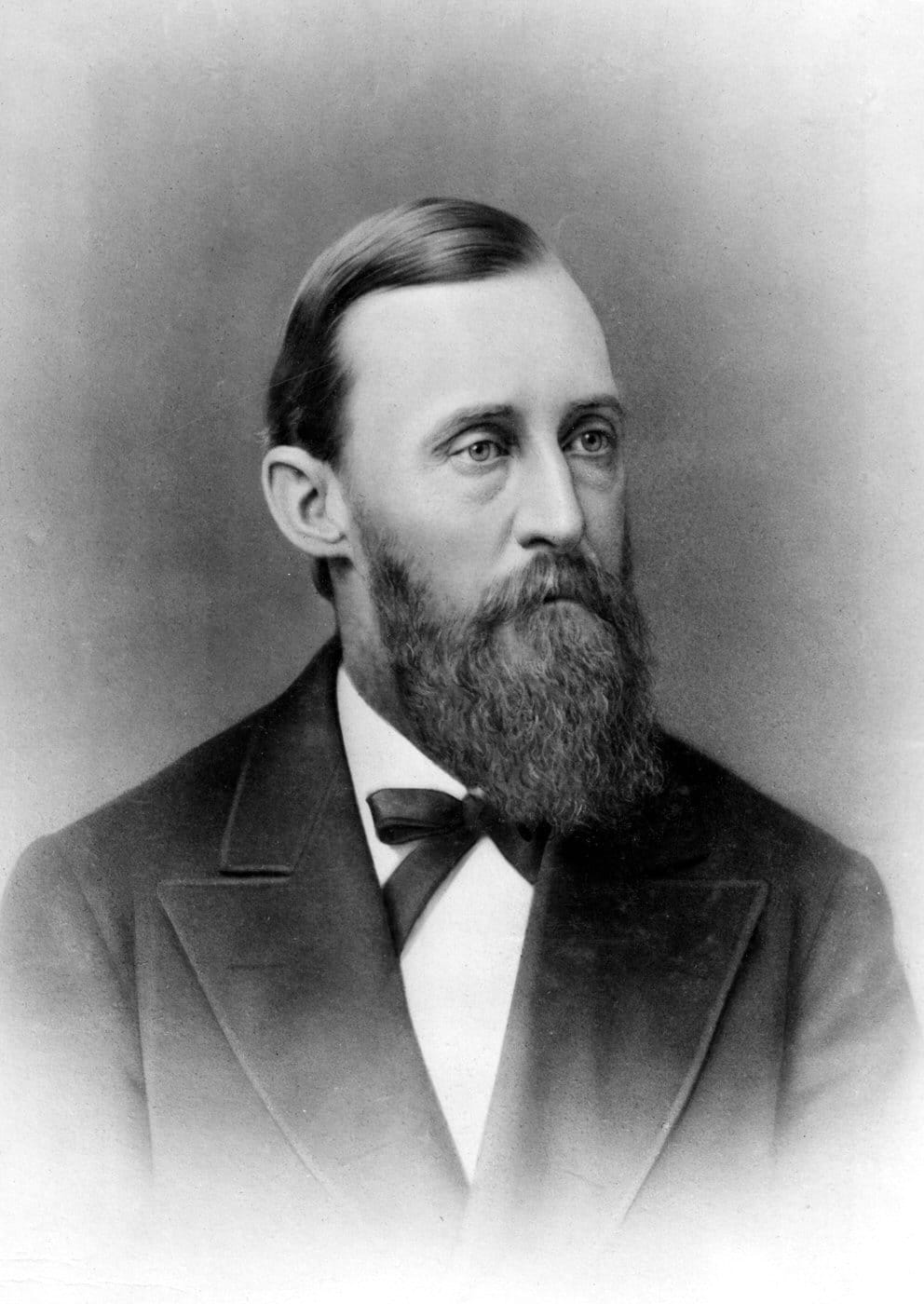
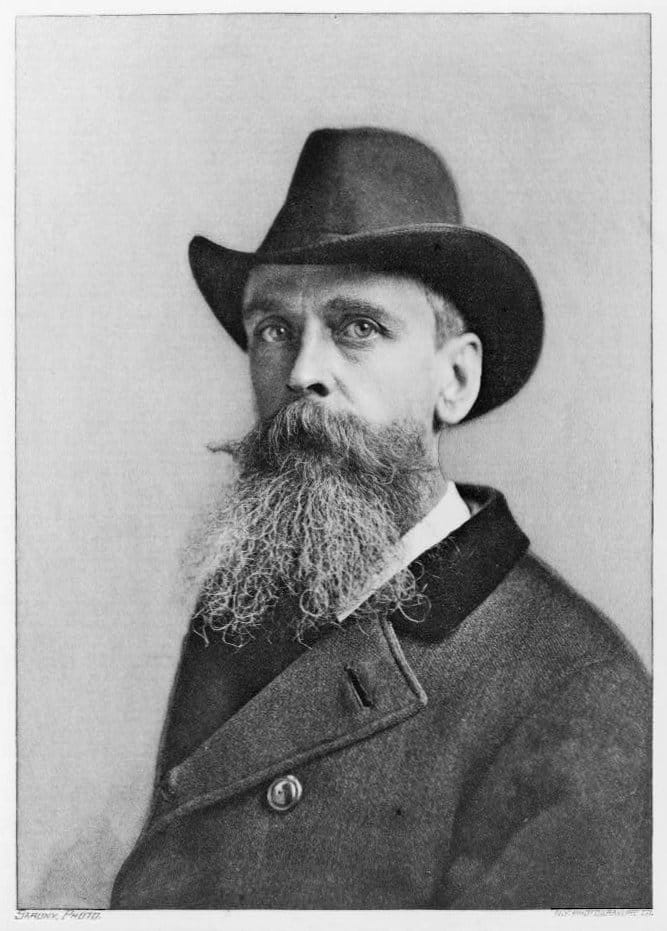
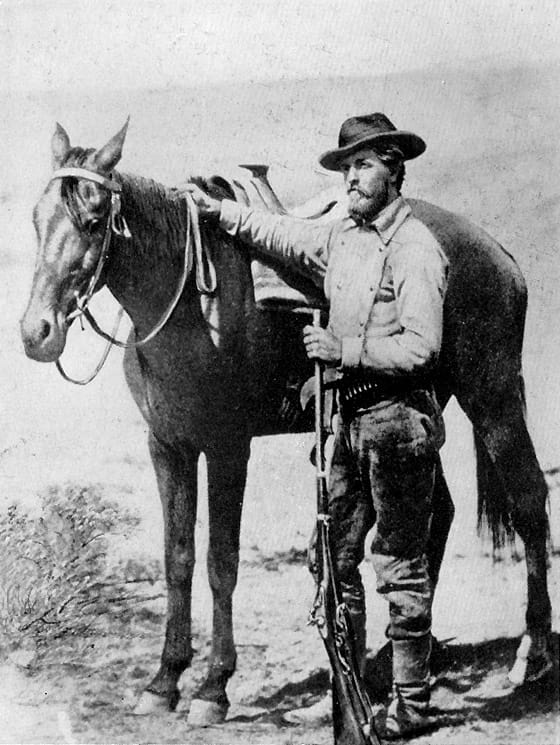
Ferdinand V. Hayden (1870); Thomas Moran (ca. 1890); William Henry Jackson (1872) (all public domain)
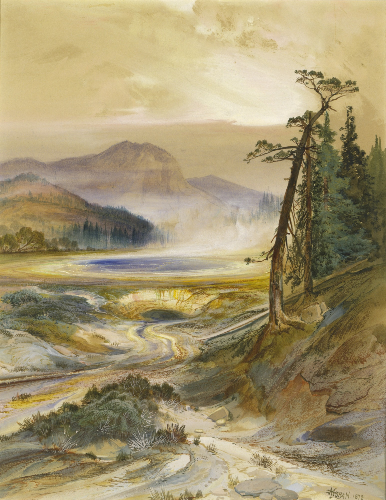
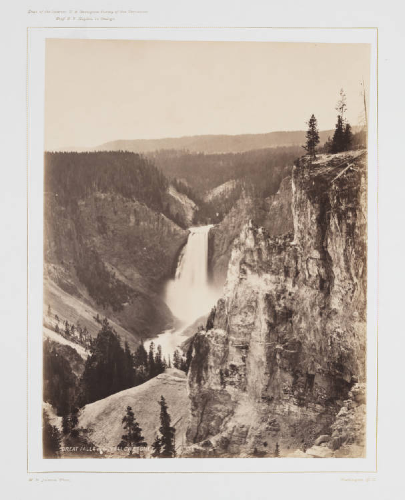
For his 1871 field season, Hayden invited not only Moran but William Henry Jackson, a pioneering photographer. These visual artists produced a different kind of proof of Yellowstone’s wonders, the kind not easily dismissed. While Hayden’s report included scientific findings and numerous drawings of geological features, Moran’s paintings and Jackson’s photographs rendered Yellowstone visually in ways that stunned the American public.
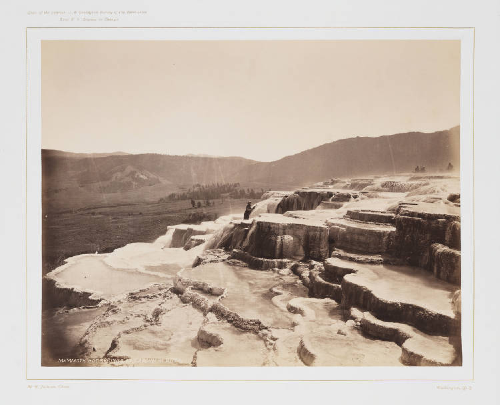
When Hayden returned from Yellowstone, he helped lobby Congress for preserving Yellowstone as a national park. The images Moran and Jackson had produced made an impact in that effort—and further helped dispel any lingering doubts that the strange stories of Yellowstone were fantasy.
In some ways, though, these images generated their own fantasies. Moran could be forgiven for his skewed engravings for Scribner’s Monthly, but his romanticized images helped teach Americans how to see nature as sublime, a mix of fear and wonder. And Jackson, whose photographic craft allowed fewer ways to distort reality, ensured that his most famous landscape shots excluded people, including local Shoshones, an artistic device that helped the public imagine such places as empty.
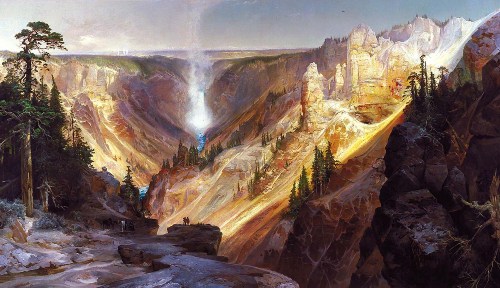
When Hayden turned toward Yellowstone, he aimed for an authoritative accounting: his science, Moran’s drawings and paintings, and Jackson’s photographs. Each element added new and useful information to establish the truth of this place that became the first national park in 1872. But as with any evidence, they provided one perspective and excluded others.
Cross-words
Besides last week's essay, these earlier Taking Bearings pieces are complementary:
 Adam M. Sowards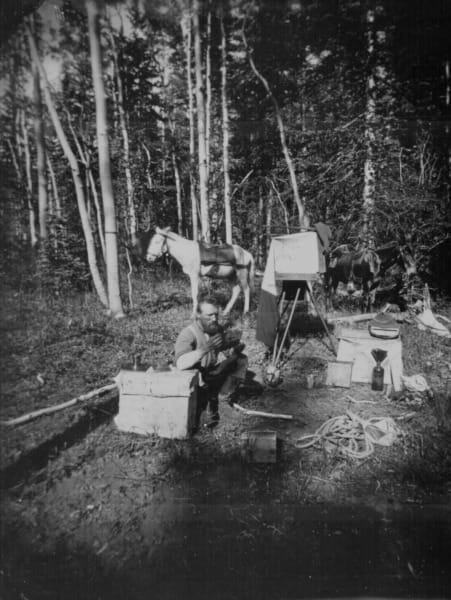
 Adam M. Sowards
This week I consulted, Wallace Stegner, Beyond the Hundredth Meridian: John Wesley Powell and the Second Opening of the West (1954); Martha A. Sandweiss, Print the Legend: Photography and the American West (2002); and Megan Kate Nelson, Saving Yellowstone: Exploration and Preservation in Reconstruction America (2022).
Comments ()