Among the Headstones
Thinking with cemeteries
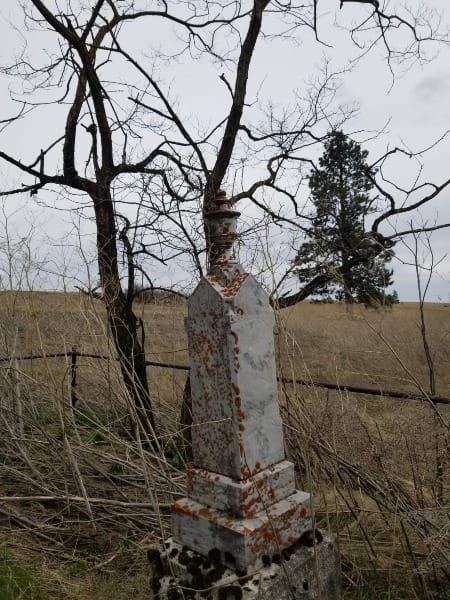
With Memorial Day just come and gone, I’ve been thinking a little about cemeteries. For a time while we lived on the Palouse, my wife and I visited a rural cemetery each month, and I enjoyed the aesthetics of the gravestones and their setting in the landscape. My response to them was shaped, no doubt, by the fact that my maternal grandparents rest in a small cemetery on the open Texas plains.
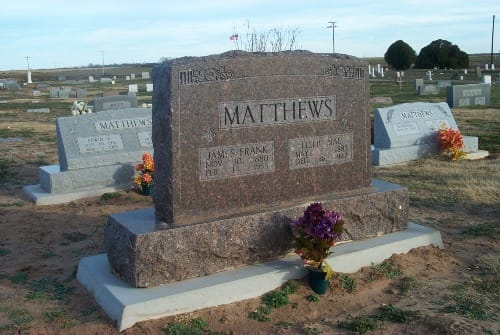
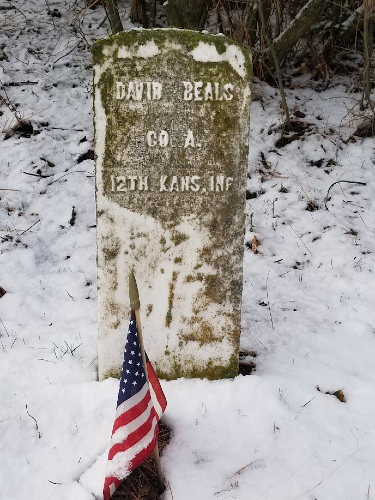
I found these out-of-the-way pockets of headstones to be suggestive of family stories that might have rhymed with my own. I imagined the labor involved in farming the local landscape or the unbearable loss the death of an infant or toddler might have entailed or what the longevity meant of someone born in Pennsylvania when George Washington was president and died in Washington when Rutherford B. Hayes lived in the White House. I noted the differences of these families and my own, such as regional origins, religious affiliations, or military service.
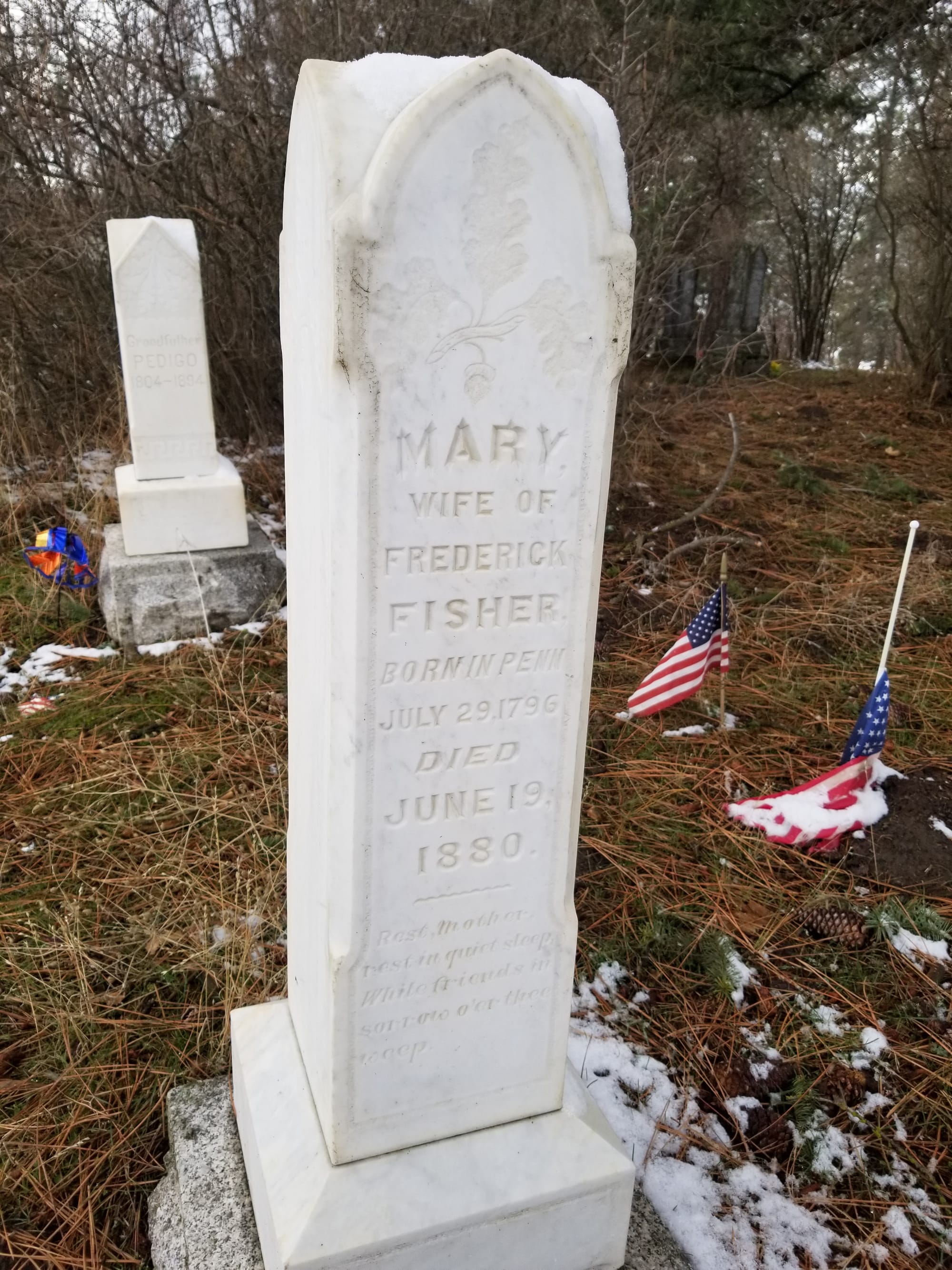
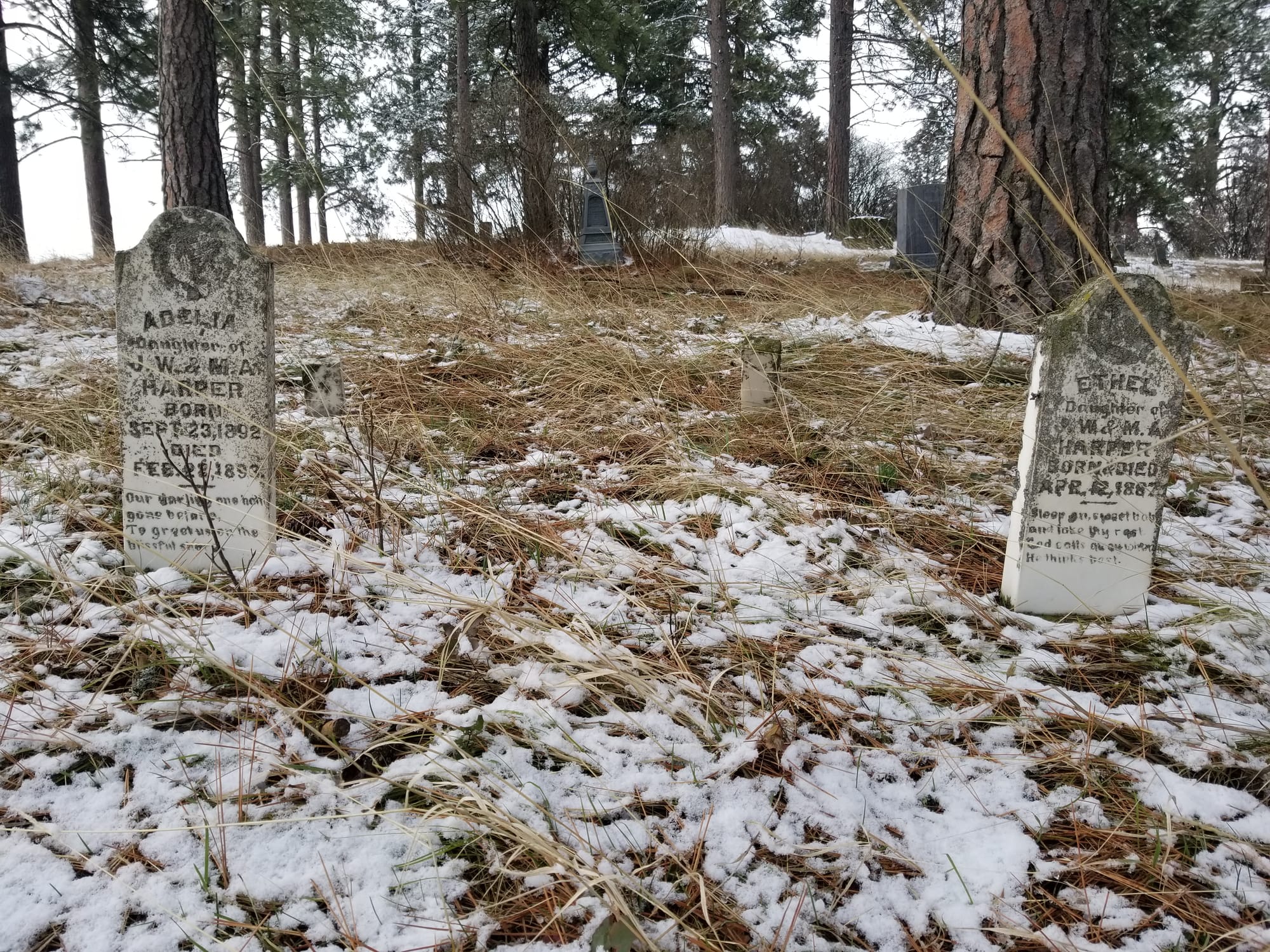
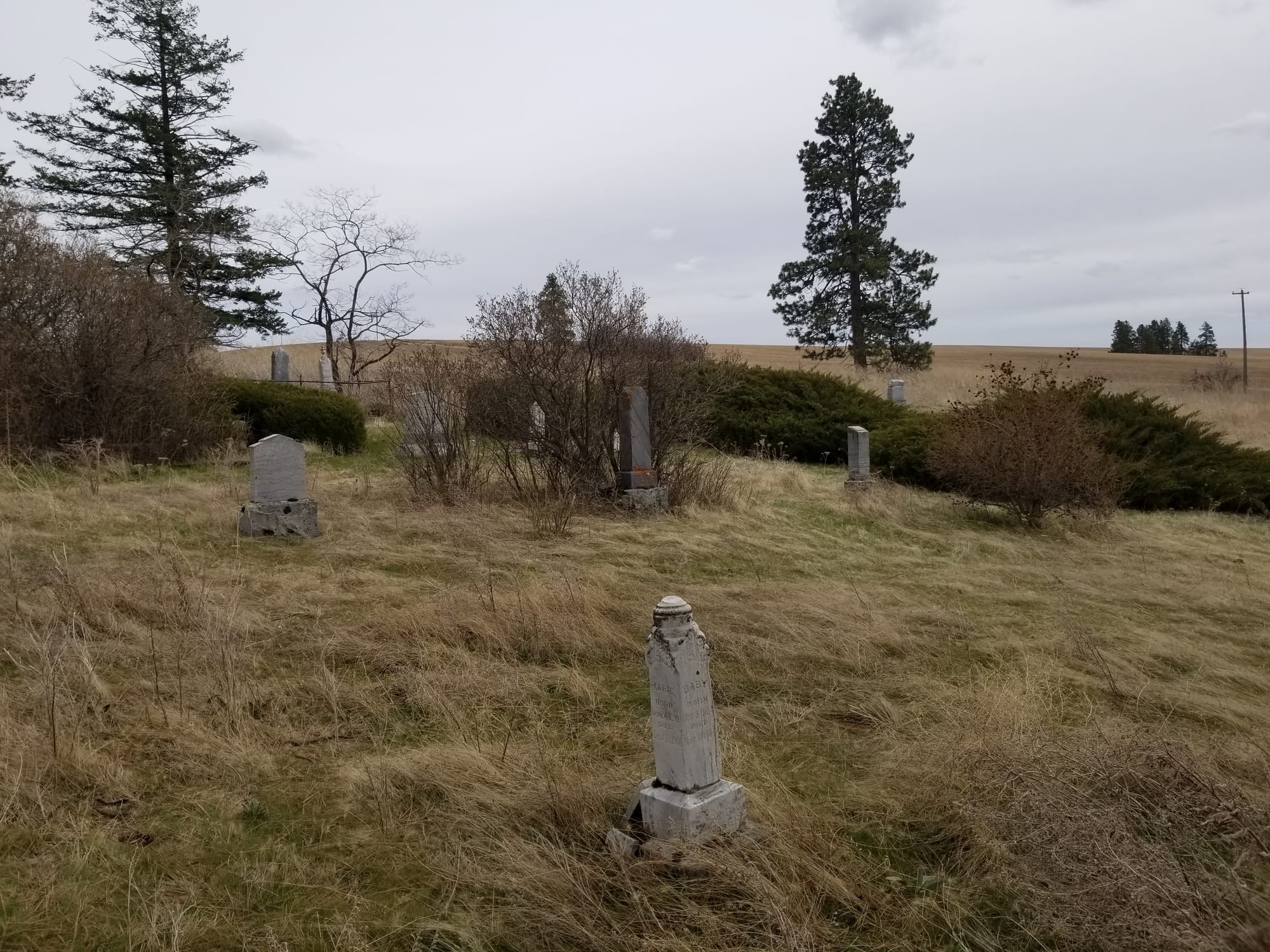
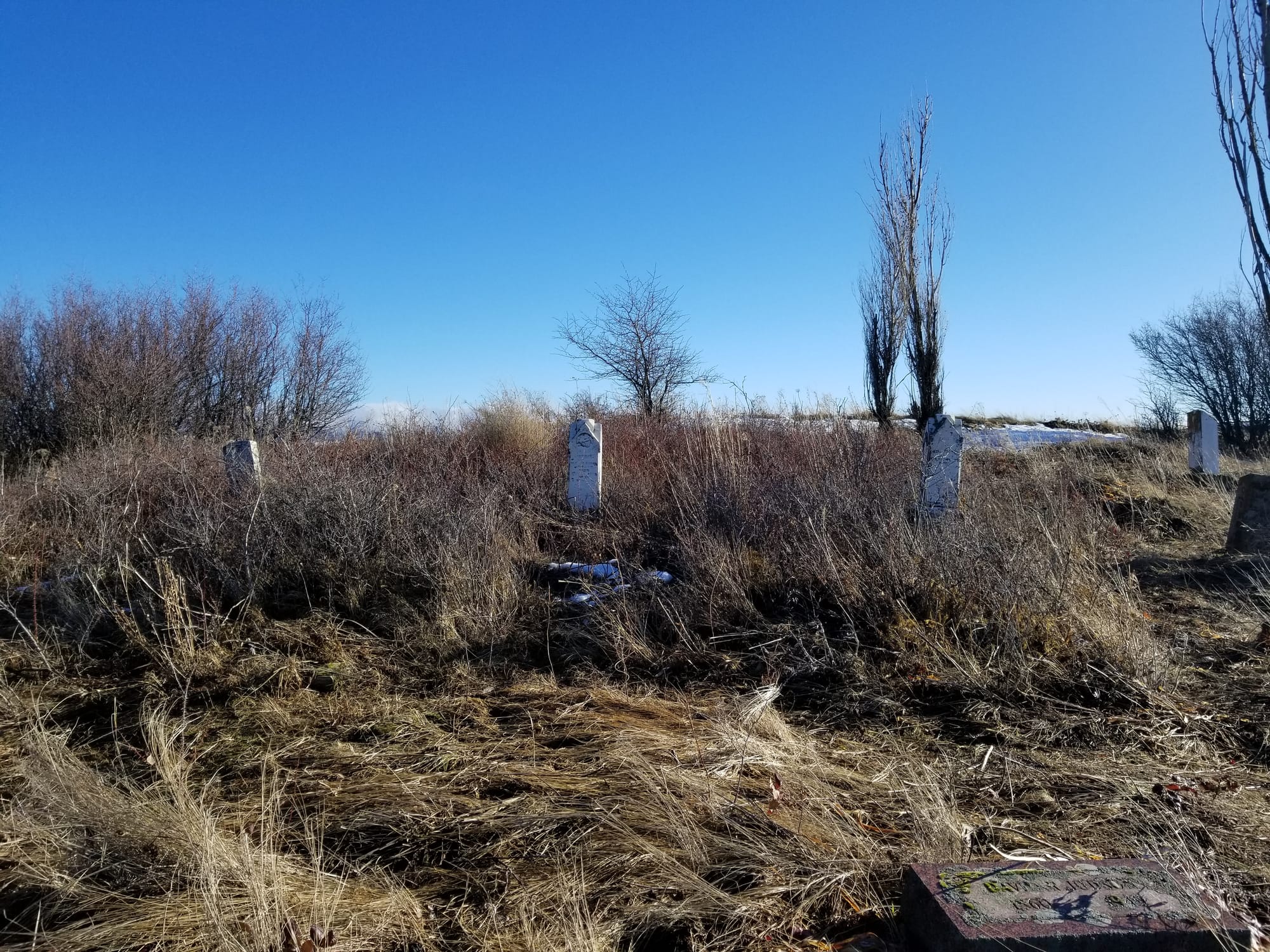
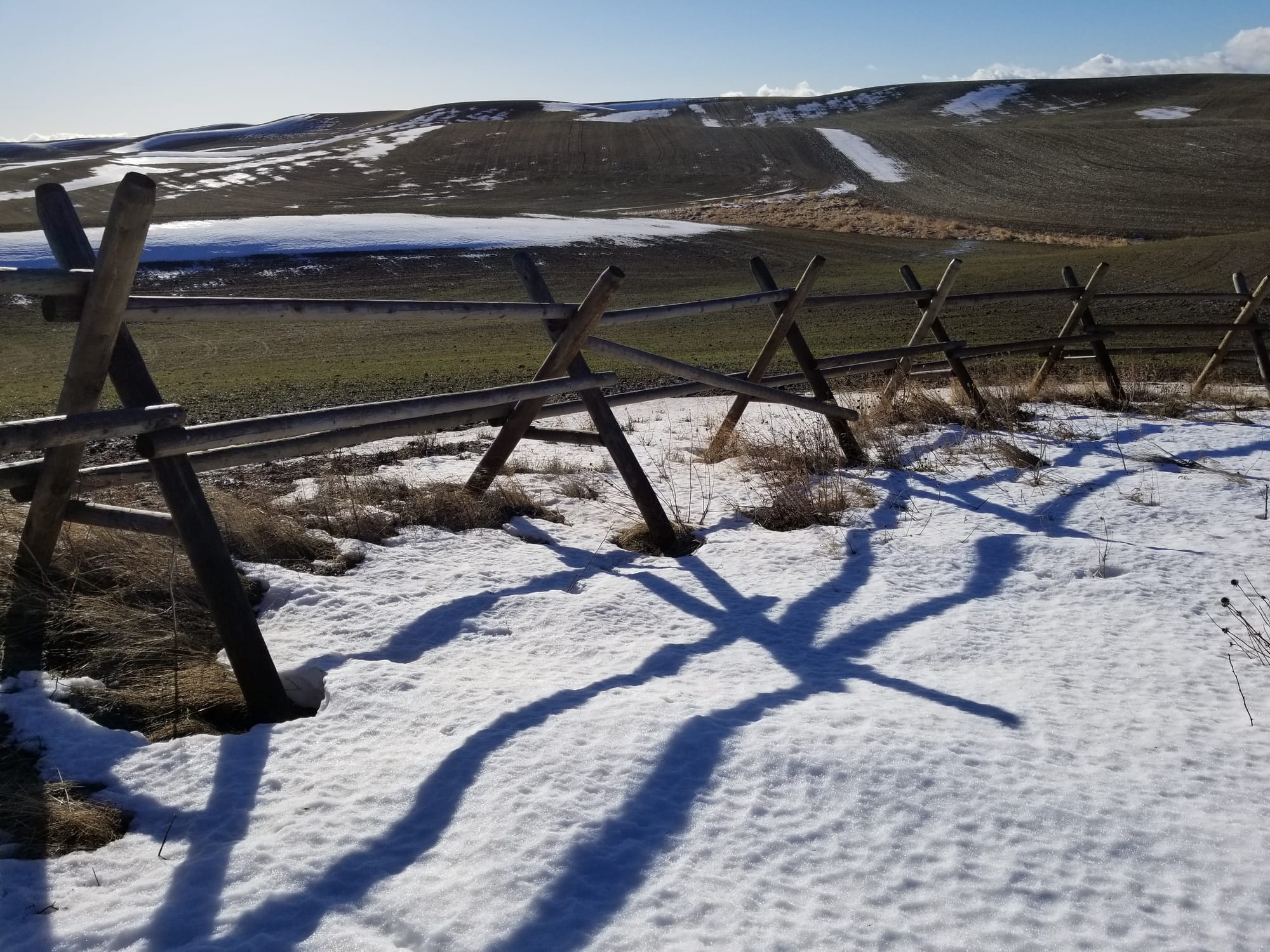
Elberton and Eden Valley Cemeteries, January - February 2021. (author photos)
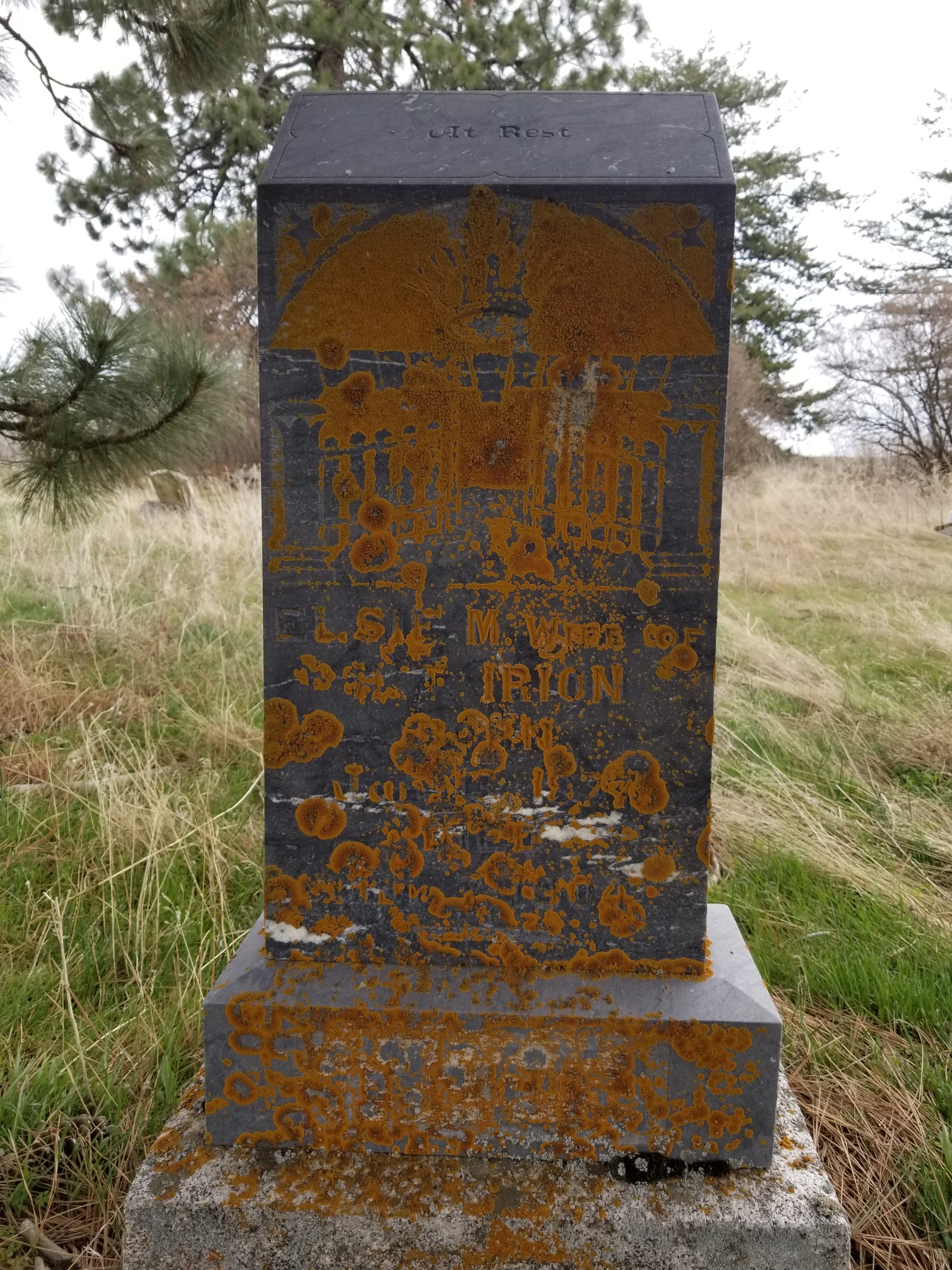
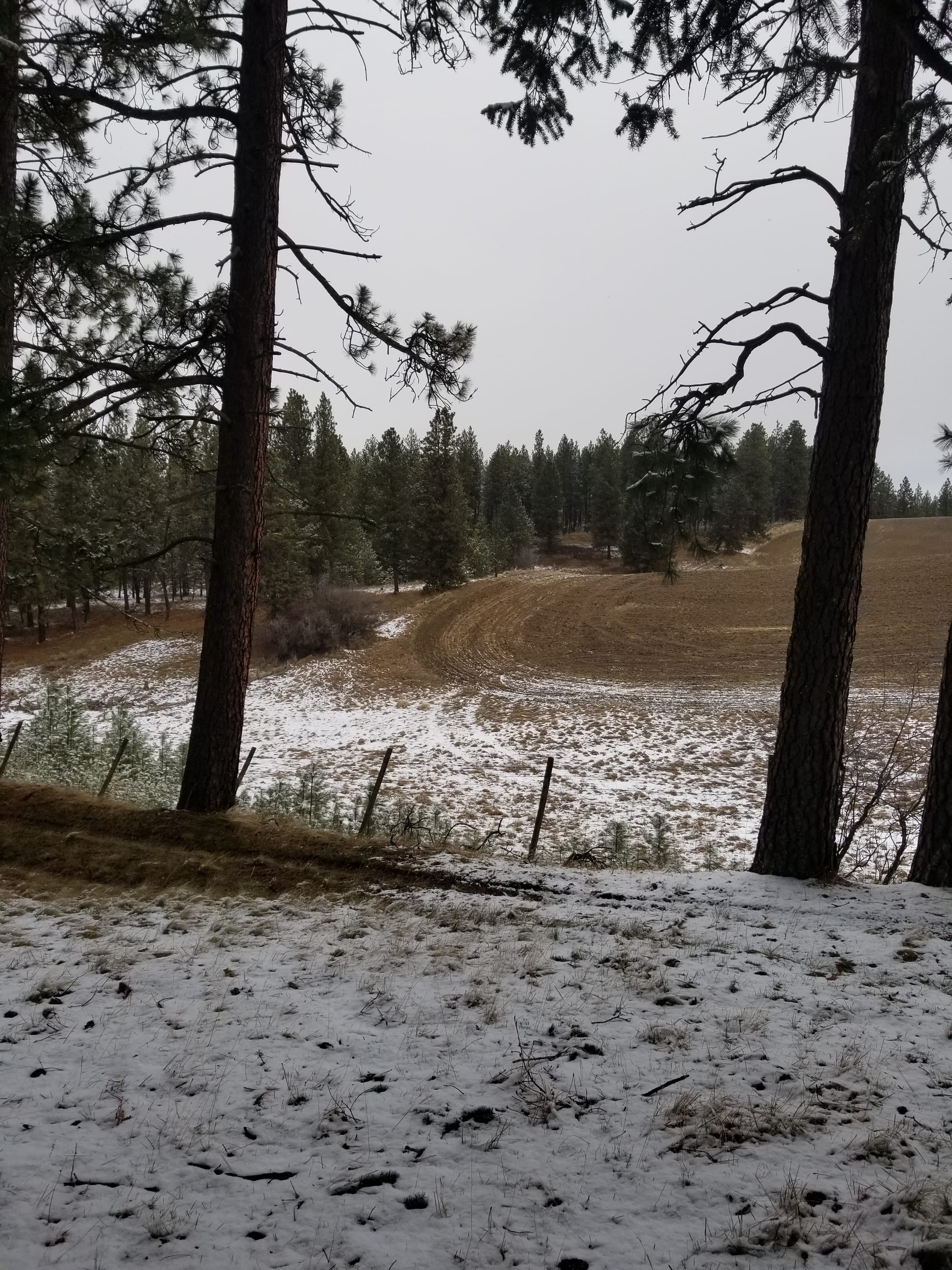
I found the cemeteries to be interesting as part of the landscape, too. I noticed headstones embedded in bushes and lichen filling in the etched words or wildflowers surviving among the headstones. For many of us, cemeteries in towns and cities offer something far more manicured than I discovered in these rural niches, where the surrounding community long since disappeared. This blending is what has enticed me to visit these places–to witness the powerful intermingling of past and present, memory and nature. They are, in short, good places to think with.
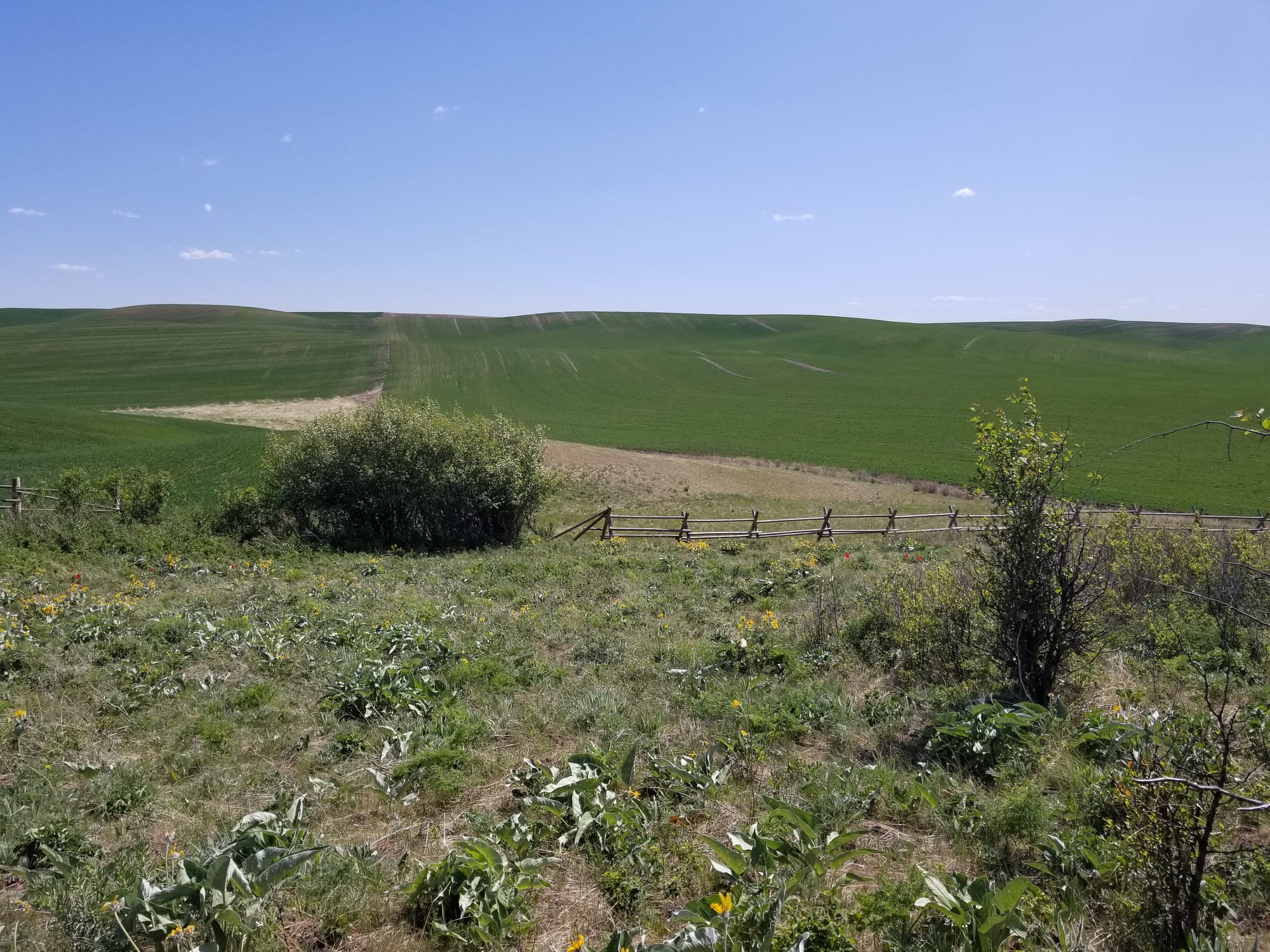
Whelan and Eden Valley Cemeteries, January, April, and May, 2021. (author photos)
Rural cemeteries in the Midwest provided early ecologists with a repository of native plants not found elsewhere. Plows turned over the region’s soil so completely that crops covered nearly every inch of the land. But no one plowed or grazed graveyards, so plant ecologists studied these places to find remnants of the prairie.
The practice did not stay on the Great Plains.
One ecologist I’ve studied, Rexford Daubenmire, who worked on the Palouse, told of botanizing with the pioneering plant ecologist Frederic Clements, who was traveling through the interior Northwest. Of course, they headed to a local cemetery—perhaps one that my wife and I visited—to search for undisturbed vegetation.
I do not know my native (or invasive) plants as well as Daubenmire, but I traipsed through Palouse cemeteries, too, inevitably finding them adjacent to wheatfields. The contrast between the neatness of the fields and the messiness of nature in the cemetery pleases me. Rather than an unruly farm and neat cemetery, what’s presented here reverses that and prompts a moment of reflection.
Whelan and Eden Valley Cemeteries, January - February, 2021. (author photos)
Reflection is at the heart of what cemeteries are meant to do. Of course, families visit loved ones who have died, reflecting on their passing. But other types of reflection also happen by design.
Mid-19th-century landscape designers pioneered a garden cemetery style that used public space creatively and deliberately. For most of the 19th century, Americans split nature between wilderness on one pole and civilization on the other. Garden cemeteries furnished something distinct. The movement—the idea spread from Mount Auburn in Massachusetts where it first found form in 1831—brought the countryside into rapidly urbanizing places for a touch of green space, a reprieve from the spreading gray industrialism that blanketed urban America. Part of what made these garden cemeteries meaningful was the ways communities cared for them communally, a sort of public accounting for mortality.
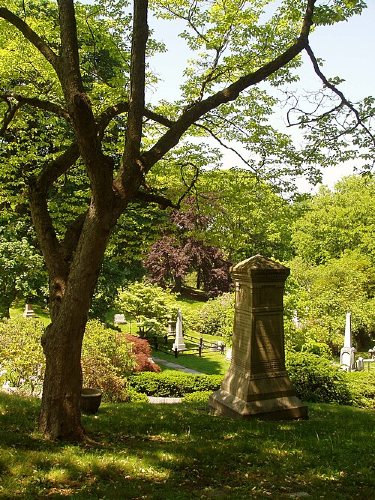
Which returns us to Memorial Day. In May 1865, a group of freedpeople in Charleston, South Carolina, provided a proper burial to Union soldiers who had been captured and imprisoned there at a former planter’s race track. This tribute is the true origin of Memorial Day, not the unofficial beginning of summer but another communal act to tend to public meaning. Like parks at the same time (see last week’s essay), cemeteries help us consider together the past and present, the human and natural community. They are, in the end, good to think with.
Cross-Words
Past Taking Bearings essays that are complementary include:
 Adam M. Sowards
 Adam M. Sowards
This week, I consulted Michael G. Barbour, “Ecological Fragmentation in the Fifties,” in Uncommon Ground: Toward Reinventing Nature, ed. William Cronon (New York: WW Norton, 1995): 233-55; and Aaron Sachs, Arcadian America: The Death and Life of an Environmental Tradition (New Haven, CT: Yale University Press, 2013). I also relied on the research I did for:
Adam M. Sowards
Comments ()