Perverting Trust
James Mason Hutchings and private claims on public lands
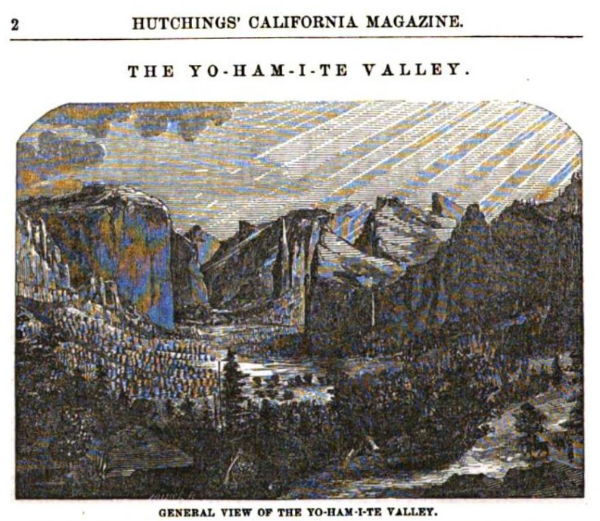
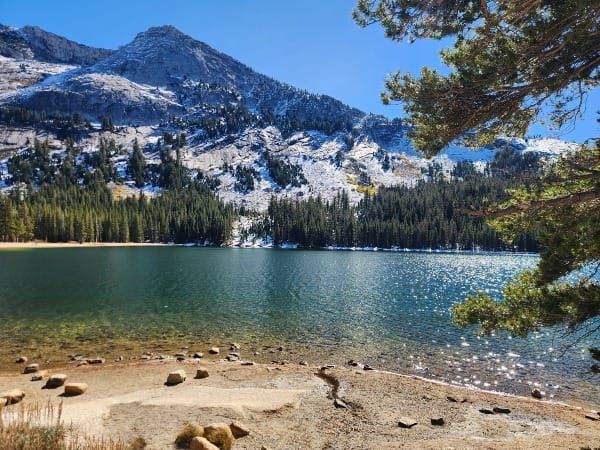
“There are but few lands that possess more of the beautiful and picturesque than California,” according to a local magazine in 1856. “Its towering and pine covered mountains; its wide-spread vallies [sic], carpeted with flowers; its leaping waterfalls; its foaming cataracts; its rushing rivers; its placid lakes; its evergreen forests; its gently rolling hills, with shrubs and trees and flowers, make this a garden of loveliness, and a pride to her enterprising sons.”
And no one was more enterprising than the publisher of those words, James Mason Hutchings.
An English immigrant, Hutchings headed to California to find gold and instead became a famous publisher and relentless promoter of California generally and Yosemite specifically.
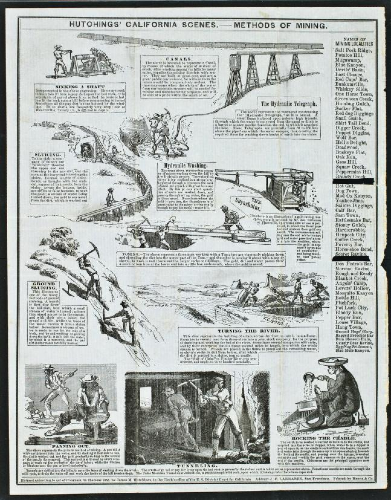
In 1855, Hutchings was among the first tourists who visited Yosemite Valley, first seen by non-Natives just four years before. He brought an artist with him to help capture some of the astonishing scenery there so he could use it in his new endeavor, Hutchings’ Illustrated California Magazine, which he started the following year. This magazine unleashed a steady trickle of tourists.
Hutchings kept returning to Yosemite, kept writing about it, and kept attracting more visitors. In 1860, he bought a small inn already in the valley. Two years later he published the first edition of Scenes of Wonder and Curiosity in California: A Tourist’s Guide to the Yosemite Valley, which cobbled together pieces from his magazine with practical travel advice concerning routes, costs, and even what a traveler should pack. At this time, no one was more responsible for praising Yosemite or developing the tourist stream to the Sierras.
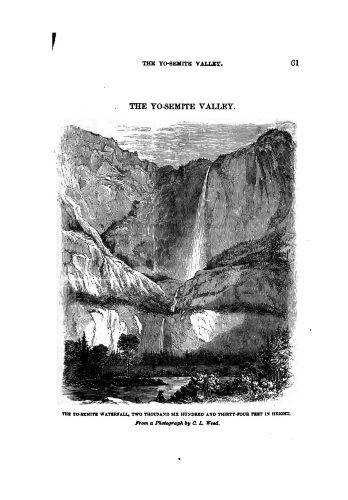
In 1864, Congress gave Yosemite Valley and the Mariposa Big Tree Grove to California “for public use, resort, and recreation,” requiring that it remain public—“inalienable”—forever. Congress had never done this, because American political leaders believed the public domain ought to be turned into private property to nurture a virtuous citizenry, which would secure the republic, according to republican political philosophy. A series of laws that predated even the Constitution would ensure this happened.
That same year, 1864, Hutchings claimed land in the valley under the Pre-emption Act of 1841. Land surveys were supposed to precede settlement and land sales. When settlers got ahead of government surveyors—as Hutchings had—they often precipitated conflict with tribes, but they were advancing the government’s project of Americans settling the West. So, pre-emption laws allowed these illegal squatters to gain legitimate title to the land they prematurely occupied for a cheap price. Hutchings (and another man named James Lamon) was illegally squatting. They claimed the land for themselves, believing in the power of pre-emption.
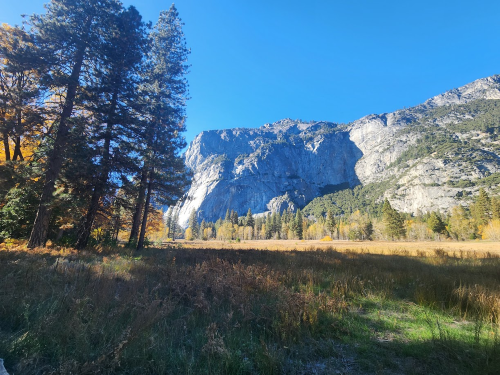
The commission charged with overseeing the Yosemite Grant for California told Hutchings to stop grazing animals and building things. It offered him a 10-year lease. Hutchings declined. So, the commission sued Hutchings.
For almost a decade, Hutchings—with an entrepreneurial spirit and genuine interests in seeing Yosemite appreciated by the public—fought for his private rights on public land.
The California legislature voted to affirm his property rights.
The California governor vetoed the law.
The legislature overrode the veto. But it understood the conditions of the Yosemite Grant were rooted in Congress. So, the legislature asked Congress to decide.
The House sided with Hutchings. One representative felt certain parks were a conspiracy to deprive farmers of land—at a time when virtually the entire western continent was open to agriculture except Yosemite and the Mariposa Big Trees and Indian Reservations.
Maneuvers in the Senate kept the issue from a floor vote, in part because of a vigorous public campaign that warned against private “spoliation of the magnificent valley of the Yosemite” by the “mercenary grasping of squatters” who do not “respect the rights of the whole country.”
Hutchings thought the law, if not the politics or public opinion, might be on his side. A district court accepted his claims. The California Supreme Court rejected it. So, it headed to U.S. Supreme Court.
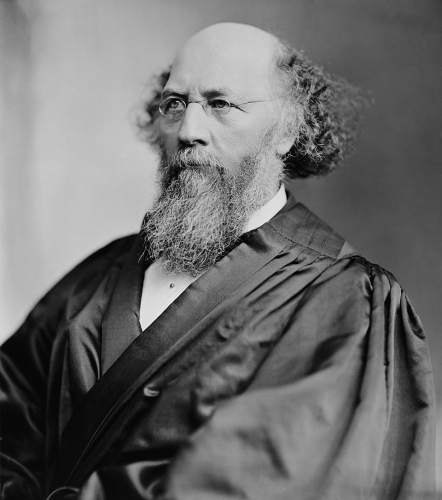
In Hutchings v. Low (1873), a unanimous Court rejected Hutchings’ claims. Congress held discretion in disposing of public lands, and if Congress wished to withhold some of the public domain from settlement—as it did in the Yosemite Grant—that was its prerogative. This “preserves a wise control in the government over the public lands, and prevents a general spoliation of them under the pretence [sic] of intended settlement and pre-emption.” If California privatized Hutchings’ land claim within the Yosemite Grant, the Court surmised it would be a “perversion of the trust” inherent in the original 1864 legislation.
So Hutchings lost—although for a time he held a lease.
Still, the state legislature felt bad and paid him $24,000 for his improvements—a figure that today would be worth around $670,000.
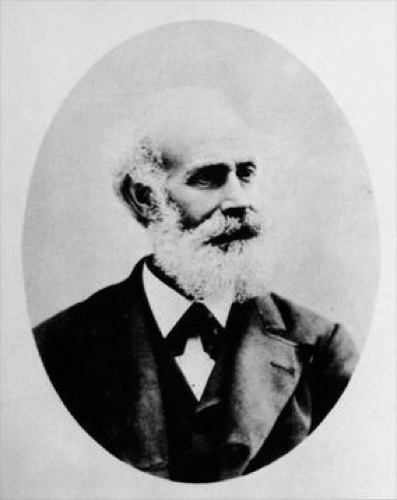
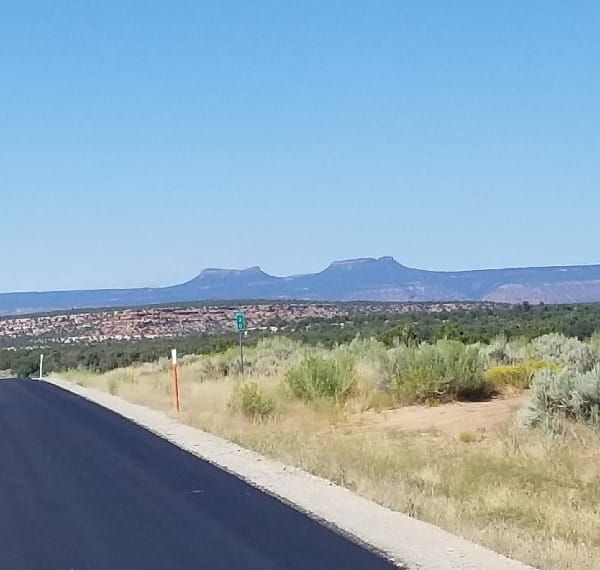
Hutchings is an interesting historical figure—enterprising, litigious, persistent, and eager to obtain private gains that were illegitimate in the specific contexts of his place and time. This would make him at home in Utah or Washington, D.C., this week when the administration dismantled almost three million acres of national landscapes open to everyone in favor of those who would profit from extraction and exclusion.
Cross-Words
Complementary pieces to this week's essay include:
 Adam M. Sowards
 Adam M. Sowards
 Adam M. Sowards
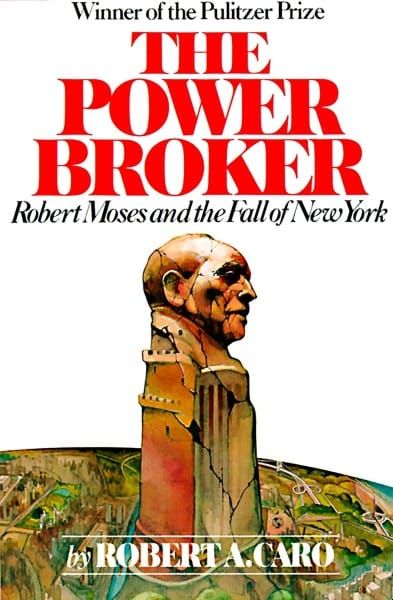
This week, besides the linked sources above, I relied on Adam Wesley Dean, An Agrarian Republic: Farming, Antislavery Politics, and Nature Parks in the Civil War Era (2015); Dennis Drabelle, The Power of Scenery: Frederick Law Olmsted and the Origin of National Parks (2021); and my own Making America's Public Lands: The Contested History of Conservation on Federal Lands (2022).
Comments ()